Whangaparaoa Peninsula Wildlife: Dolphins, Whales & Local Nature
Explore Whangaparaoa’s coastal wildlife and nature, with ideas for responsible watching and a beachfront base at Arkles Bay.
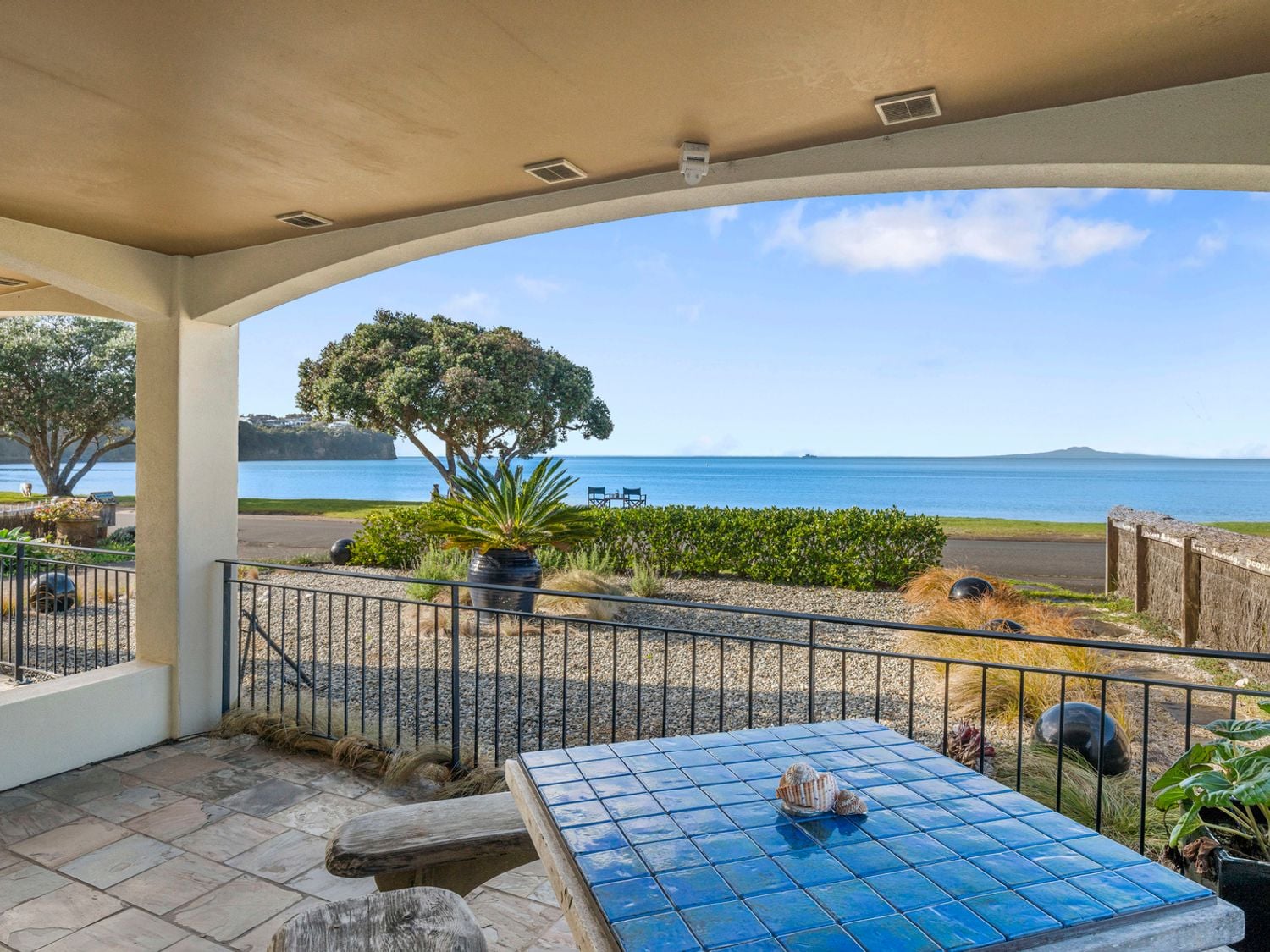
The Whangaparaoa Peninsula is a haven for nature lovers. When you stay at our beachfront accommodation in Arkles Bay, you’re not just booking a room; you’re immersing yourself in a world of stunning coastal scenery and incredible wildlife encounters. From playful dolphins to majestic whales, the peninsula offers unforgettable experiences. To truly appreciate the beauty of the area, view our gallery showcasing the stunning views from our property.
Many visitors are surprised by the diversity of wildlife right on our doorstep. This blog post will guide you through the best spots for wildlife viewing, what to look out for, and how to make the most of your nature-filled getaway.
Discovering the Marine Wonders of Whangaparaoa
The Whangaparaoa Peninsula is uniquely positioned to attract marine life. Its location on the edge of the Hauraki Gulf provides a rich feeding ground for a variety of species. This matters because it means you don’t have to travel far to witness incredible wildlife encounters. The gulf is known for its diverse ecosystem, supporting everything from tiny plankton to large marine mammals. This makes Whangaparaoa a prime location for spotting dolphins and whales.
Dolphin Spotting: A Common Sight
Marine mammals may be seen around the Hauraki Gulf, but sightings are unpredictable. Do not plan your stay around a promised sighting. If booking a wildlife tour, check the operator’s current departure point and terms.
Whale Watching: A Majestic Experience
While less frequent than dolphins, whales also visit the Hauraki Gulf. The most common whale species sighted is the Bryde’s whale, which feeds on the abundant krill and small fish in the area. Seeing a whale is a truly awe-inspiring experience. These gentle giants can be spotted breaching the surface or simply cruising along the coastline. Whale watching tours operate from nearby locations. Consider booking a tour for a closer look. Remember to respect these magnificent creatures by keeping a safe distance.
Exploring Local Birdlife and Coastal Ecosystems
Beyond marine mammals, Whangaparaoa boasts a rich variety of birdlife and unique coastal ecosystems. Understanding these ecosystems can deepen your appreciation for the natural beauty of the peninsula. This is important because it allows you to see the interconnectedness of all living things. From the sandy beaches to the rocky cliffs, each habitat supports a different array of species.
Arkles Bay: A Haven for Coastal Birds
Arkles Bay, where Stay Whangaparaoa is located, is an excellent spot for birdwatching. The calm waters and sheltered shoreline attract a variety of coastal birds. This is useful for guests who want to enjoy nature without leaving their accommodation. You can often see oystercatchers, dotterels, and herons foraging along the beach. Bring your binoculars and enjoy the show!
Shakespear Regional Park: A Natural Paradise
A short drive from Arkles Bay is Shakespear Regional Park, a protected area with diverse habitats. This matters because it provides a safe haven for native wildlife. The park features stunning coastal walks, native bush, and expansive views of the Hauraki Gulf. It’s also a great place to spot native birds like tui, fantails, and kereru. Consider exploring the park’s many trails to discover its hidden gems. You can find more information about the park on the Auckland Council parks website.
Tips for Responsible Wildlife Viewing
When enjoying the wildlife of Whangaparaoa, it’s crucial to do so responsibly. Respecting the animals and their habitats ensures that future generations can enjoy these natural wonders. This is important because it helps to protect the delicate balance of the ecosystem. Here are some tips for responsible wildlife viewing:
- Maintain a safe distance from animals.
- Avoid feeding wildlife.
- Stay on marked trails to protect vegetation.
- Dispose of rubbish properly.
- Report any injured or distressed animals to the DOC.
Planning Your Wildlife Getaway
To make the most of your wildlife adventure on the Whangaparaoa Peninsula, a little planning can go a long way. Knowing the best times and locations for viewing will increase your chances of unforgettable encounters. This is useful because it ensures you don’t miss out on the highlights. Here are some tips to help you plan your trip:
- Beach conditions change with the tide, weather and water quality. Check Safeswim for the beach you plan to visit, read local signs and supervise children around the road and water. A sheltered-looking bay is not a guarantee of suitable swimming conditions.
- Bring binoculars: These will help you get a closer look at distant animals.
- Pack sunscreen and a hat: The New Zealand sun can be intense.
- Download a bird identification app: This will help you identify the different bird species you encounter.
- Visit the local information center: They can provide up-to-date information on wildlife sightings.
Conclusion: Embrace the Natural Beauty of Whangaparaoa
The Whangaparaoa Peninsula offers a unique blend of stunning coastal scenery and incredible wildlife encounters. From the playful dolphins in Arkles Bay to the majestic whales in the Hauraki Gulf, there’s something for everyone to enjoy. By being a responsible visitor and following these tips, you can ensure that these natural wonders are preserved for future generations. Book your stay at Stay Whangaparaoa to experience the magic of Whangaparaoa firsthand. For any questions or inquiries, please contact us.
FAQs
1. What is the best time of year to see whales in Whangaparaoa?
Marine mammals may be seen around the Hauraki Gulf, but sightings are unpredictable. Do not plan your stay around a promised sighting. If booking a wildlife tour, check the operator’s current departure point and terms.
2. Are there any guided wildlife tours available on Whangaparaoa Peninsula?
While specific wildlife tours on the peninsula itself may vary, numerous operators offer guided whale and dolphin watching tours departing from Auckland and nearby areas. These tours often include expert commentary and increase your chances of spotting marine life. Check with Tourism New Zealand for reputable tour providers.
3. What should I do if I encounter a marine mammal while swimming or kayaking?
Follow the Department of Conservation’s current marine mammal guidance. Keep your distance, avoid disturbing wildlife and do not pursue animals for a closer view.
4. Is it safe to swim at Arkles Bay?
Beach conditions change with the tide, weather and water quality. Check Safeswim for the beach you plan to visit, read local signs and supervise children around the road and water. A sheltered-looking bay is not a guarantee of suitable swimming conditions.
5. What other activities can I enjoy on Whangaparaoa Peninsula besides wildlife viewing?
Whangaparaoa Peninsula offers a wide range of activities, including hiking, fishing, golfing, and exploring local shops and restaurants. You can also visit nearby attractions such as Snowplanet for indoor snow activities or simply relax on one of the many beautiful beaches. Check out local guides for recommendations and ideas.
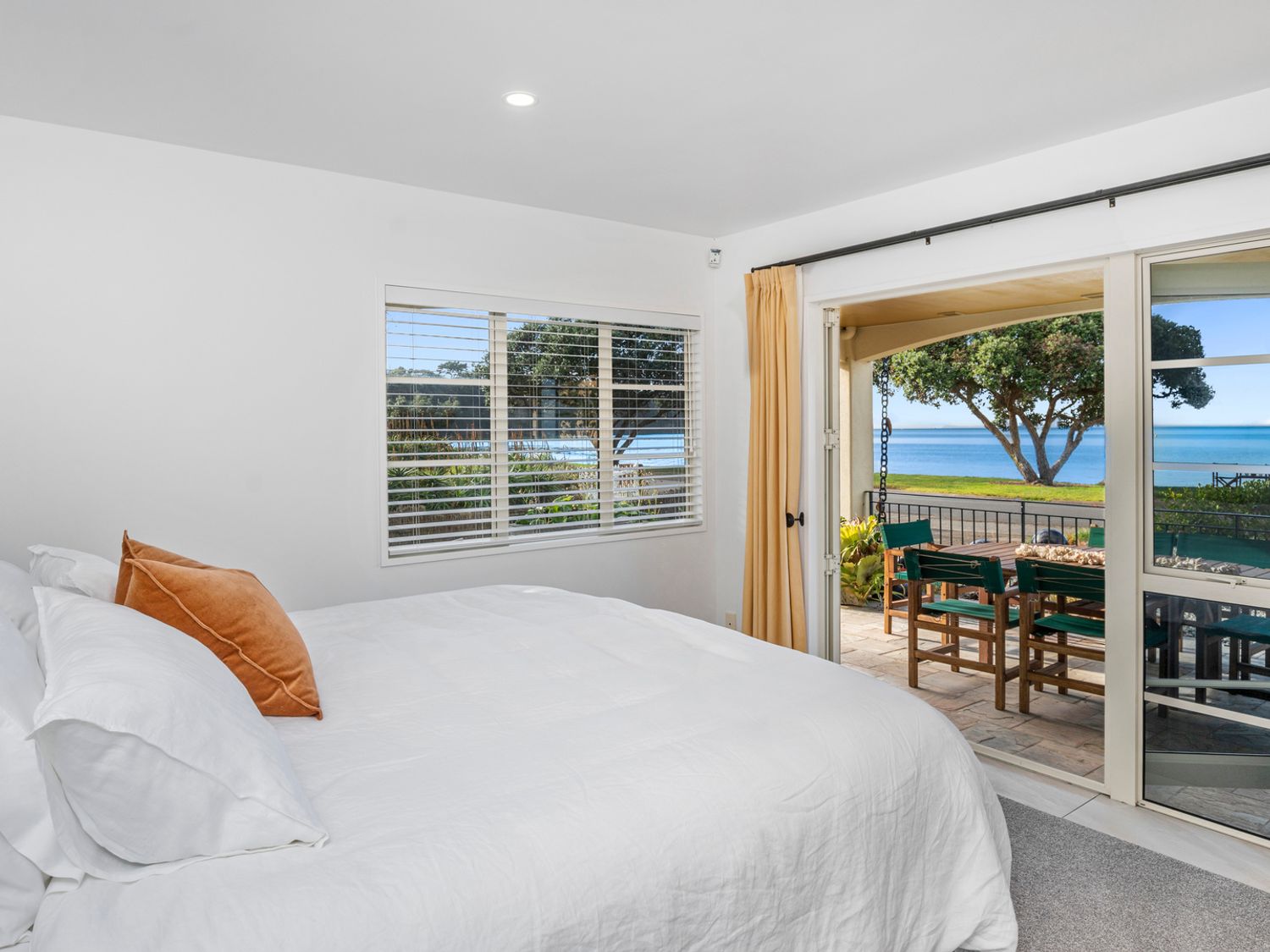
Stay across the road from Arkles Bay
Your own ground-floor space by the beach
Beachfront Beauty is a self-contained ground-floor stay at Arkles Bay, with the beach across the quiet road. Vicki and Wayne live upstairs and guests have their own space below — one bedroom with a superking bed, sofa beds in the lounge, and a compact kitchenette for simple meals.